Source Seamless Modular Outdoor Led Screen for Advertising
Find 30 seamless modular outdoor led screen options for advertising, stage performance, and market displays. Compare specifications like pixel pitch, brightness, and power consumption to select the right display for your project needs; compare the available evidence and request quotations based on your requirements.
Key considerations
Products List


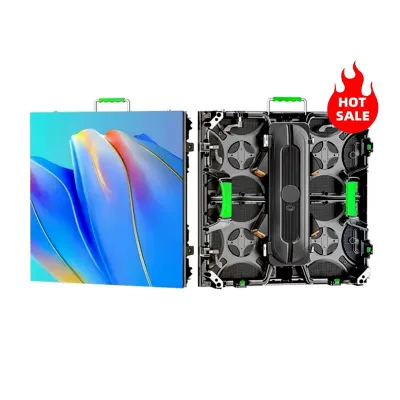


Comprehensive Sourcing Guide
Seamless Modular Outdoor LED Screen Sourcing Guide
Procuring seamless modular outdoor LED screens requires a disciplined approach to technical verification and supplier qualification. Buyers must prioritize modules that offer true physical continuity without visible seams, ensuring high-resolution imagery for advertising and public displays. The market offers various pixel pitches, such as 4.81mm and 3.91mm, each suited to different viewing distances and installation environments. Understanding these specifications is critical for aligning product performance with project requirements.
This guide focuses on evidence-based sourcing strategies for B2B buyers. It covers essential technical parameters, compliance documentation, and commercial terms observed in current listings. By adhering to these guidelines, procurement teams can mitigate risks associated with quality inconsistencies and supply chain disruptions. The following sections provide actionable insights for evaluating products and suppliers in the outdoor LED display sector.
Product Scope and Observed Listing Signals
Current market listings reveal a diverse range of outdoor LED solutions with varying specifications. Observed price points span from $0.66 to $3,500, reflecting differences in pixel pitch, brightness, and construction materials. Minimum order quantities typically range from 1 to 1,000 units, allowing flexibility for both small-scale installations and large commercial projects. Buyers should note that these figures represent observed data and may vary based on customization and volume.
Product attributes indicate a strong focus on durability and visual performance. Common features include IP ratings for weather resistance, high brightness levels exceeding 6,500 nits, and robust cabinet materials like aluminum or steel. Display types range from video and text displays to full-color image presentations. These signals help buyers identify products suitable for outdoor advertising, stage performances, and other high-visibility applications where reliability is paramount.
Technical Specifications to Verify
Technical verification begins with pixel pitch and scanning mode, which directly impact image quality and power consumption. Listings show pixel pitches of 4.81mm and 3.91mm, with scanning modes including 1/16, 1/8, and 1/2 scan. Higher scan rates often correlate with better brightness and refresh rates, crucial for video content. Buyers should confirm the specific scanning mode to ensure adequate performance for their intended application, especially in bright outdoor environments.
Other critical specifications include brightness, refresh rate, and driver ICs. Observed brightness levels range from 5,000 to over 20,000 nits, with refresh rates typically above 3,840Hz. Driver ICs such as Constent Current and Mbi are commonly used, influencing stability and color consistency. Additionally, power supply units (PSU) and cabinet weights vary, with some models weighing up to 50kg/m². Verifying these details ensures the selected screen meets both visual and structural requirements.
Compliance and Safety Documentation
Compliance with international standards is non-negotiable for outdoor LED installations. Certifications such as CCC, CE, ETL, and RoHS are frequently listed, indicating adherence to safety and environmental regulations. Buyers must verify the authenticity of these certificates, as they are essential for customs clearance and legal operation in various markets. Documentation should cover electrical safety, electromagnetic compatibility, and hazardous substance restrictions.
Beyond certifications, buyers should request detailed test reports and warranty terms. These documents provide evidence of product reliability and manufacturer support. For instance, IP ratings confirm weatherproofing capabilities, while brightness and contrast rate specifications ensure visual quality. Ensuring that all compliance documents are up-to-date and applicable to the target market reduces legal risks and enhances project credibility.
Cost Drivers and Commercial Terms
Costs for outdoor LED screens are influenced by pixel pitch, brightness, and customization options. Higher brightness and finer pixel pitches generally increase prices, while customization can add significant value but also cost. Buyers should analyze the total cost of ownership, including installation, maintenance, and energy consumption. Average power consumption varies, with some models consuming up to 600W/m², impacting long-term operational expenses.
Commercial terms such as MOQ, lead times, and payment conditions are critical for planning. Observed MOQs range from 1 to 1,000 units, offering flexibility for different project scales. Buyers should negotiate clear terms regarding shipping, insurance, and after-sales support. Understanding these factors helps in budgeting accurately and avoiding unexpected expenses during the procurement process.
Supplier Qualification and Quality Control
Supplier qualification involves assessing manufacturing capabilities, quality control processes, and past performance. Buyers should verify the supplier’s production capacity, testing facilities, and quality management systems. Certifications like ISO 9001, if claimed, should be validated through independent audits. A robust quality control process ensures consistent product quality and reduces the risk of defects.
Additionally, buyers should evaluate the supplier’s customer service and technical support. Responsive communication and comprehensive warranty terms are indicators of a reliable partner. Requesting references or case studies from previous clients can provide insights into the supplier’s reliability and product performance. Due diligence in supplier selection is crucial for long-term success and risk mitigation.
Long-Term Procurement Checks
Long-term procurement success depends on continuous monitoring of product performance and supplier reliability. Buyers should establish key performance indicators (KPIs) for screen uptime, image quality, and maintenance costs. Regular audits of supplier performance and product quality help identify potential issues early. Maintaining open communication with suppliers ensures timely resolution of any problems.
Furthermore, staying updated on technological advancements and market trends is essential. Newer models may offer improved efficiency, brightness, or durability. Buyers should periodically review their procurement strategies to align with evolving industry standards and customer expectations. Proactive management of the supply chain enhances competitiveness and ensures sustained value from outdoor LED screen investments.
FAQs
How bright is the seamless modular outdoor led screen for daylight viewing?
Brightness depends on the model, with listed outdoor options rated above 6500nits and some reaching 5000 to 20000nits. This level keeps content visible in direct sunlight. For fixed advertising installations, the higher-brightness outdoor cabinet option is typically preferred, while rental stage panels can use lower brightness ratings.
What pixel pitch options are available for a seamless modular outdoor led screen?
Listed models include 3.91mm, 4.81mm, and 6mm pixel pitches, covering fine-detail rental display through longer-distance outdoor advertising. Pitch choice should match viewing distance; a 3.91mm panel suits audiences from around 4m, while coarser pitches work for large roadside or facade installations where viewers are farther away.
Which certifications apply to these seamless modular outdoor led screen products?
Listed certifications include CCC, CE, ETL, and RoHS, which cover safety, electromagnetic compatibility, and hazardous-substance restrictions across major markets. Confirm the exact certification set for the specific model before ordering, since requirements vary by destination country and installation type, and request copies of certificates from the supplier.
Can the seamless modular outdoor led screen be customized in size and configuration?
Yes, customization is available on the listed products. Standard cabinet sizes include 500x500mm, 500x1000mm, 960x960mm, and 1000x1000mm, so overall screen dimensions are built from these modules. Buyers should specify target width, height, resolution, and installation method, such as hanging or base standing, when requesting a quote.
How is a seamless modular outdoor led screen packed for shipping?
Packing depends on the product line: rental stage panels ship in flight cases for repeated transport, while fixed outdoor cabinets use plywood cases suited to sea freight. Cabinet weight ranges from 27kg to 50kg per square meter, so buyers should confirm total shipment weight and case dimensions when planning logistics.
What control system and inputs does the seamless modular outdoor led screen support?
The listed screens use a Nova control system running on a Windows software platform. Stage models accept DVI, HDMI, VGA, and SDI signals through a processor, enabling live video feeds and playback content. Confirm processor inclusion in the quotation, since signal handling requires the matching receiving cards and sending hardware.
What power consumption should I plan for a seamless modular outdoor led screen?
Average power consumption varies by model, from 220W to 350W per square meter, with high-brightness outdoor versions listed at up to 600W per square meter. Power supplies are 5V 60A units operating on AC110-240V or AC220-240V input. Budget electrical capacity and cabling based on the peak rating of the chosen model.
Which cabinet and refresh rate specifications matter for outdoor advertising use?
For outdoor advertising, choose aluminum or steel cabinets with brightness above 6500nits and a refresh rate above 3840Hz to avoid scan lines on camera. Listed specs also include a 3000:1 contrast ratio, constant-current driver ICs, and SMD 3-in-1 lamps, all of which support stable image quality in demanding outdoor conditions.